10 Essentials Car Maintenance Tips Every Car Owner Should Know
Keep your car in top shape, avoid costly repairs, and enjoy a safer, smoother ride with these simple yet important maintenance tips.
Introduction
A car is more than just a vehicle; it is an important part of our daily lives. Whether you use it to travel to work, go on road trips, or spend time with family, keeping your car in good condition is essential. Regular car maintenance helps improve safety, maintain performance, and prevent unexpected repair expenses.
Many car owners ignore small maintenance tasks until they become major problems. However, with a little care and attention, you can keep your vehicle running smoothly for years. Here are ten essential car maintenance tips every car owner should know.
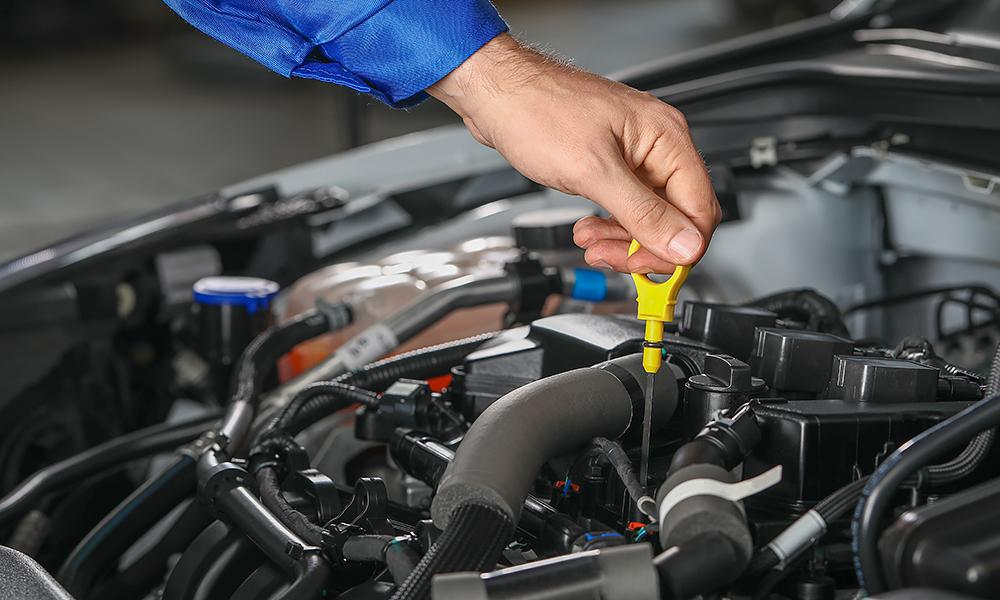
Check And Change Engine Oild Regularly
Engine oil plays an important role in keeping your engine running smoothly. It lubricates moving parts, reduces friction, and helps prevent overheating. Over time, engine oil becomes less effective.
Check your oil level according to your vehicle’s manual and change the oil at the recommended intervals. Using the correct type of oil can help maintain engine performance and extend its life.
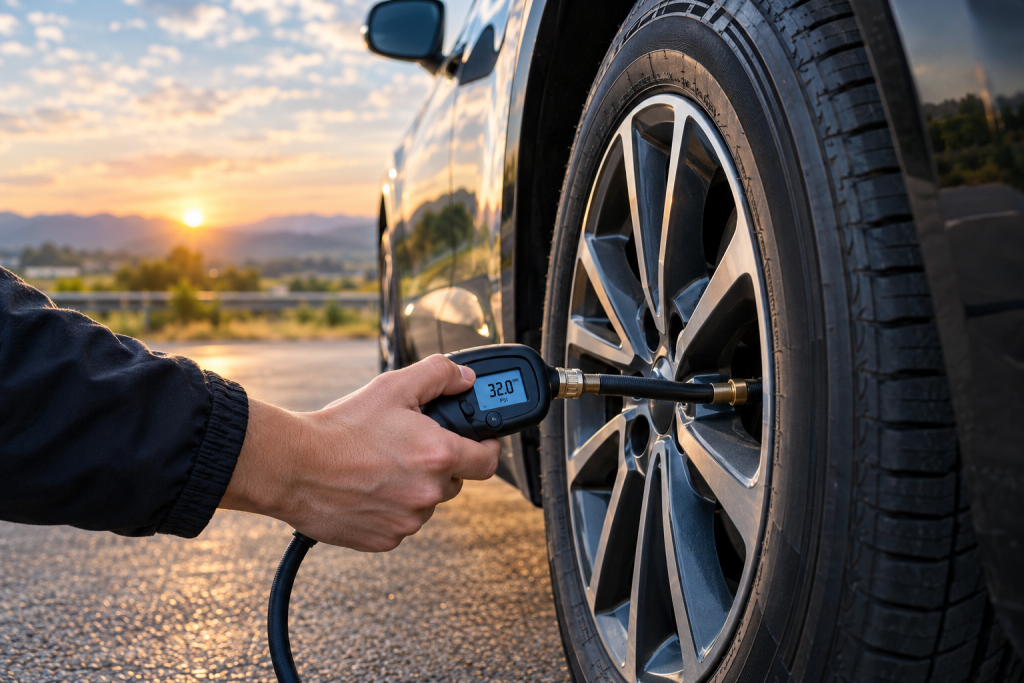
2. Maintain Proper Tyre Pressure
Tyres are the only parts of your car that directly touch the road. Incorrect tyre pressure can affect handling, braking, and fuel efficiency.
Check tyre pressure regularly, especially before long journeys. Follow the pressure recommended by your car manufacturer and inspect your tyres for cracks, uneven wear, or other visible damage. Properly maintained tyres can make your journeys safer and more comfortable.
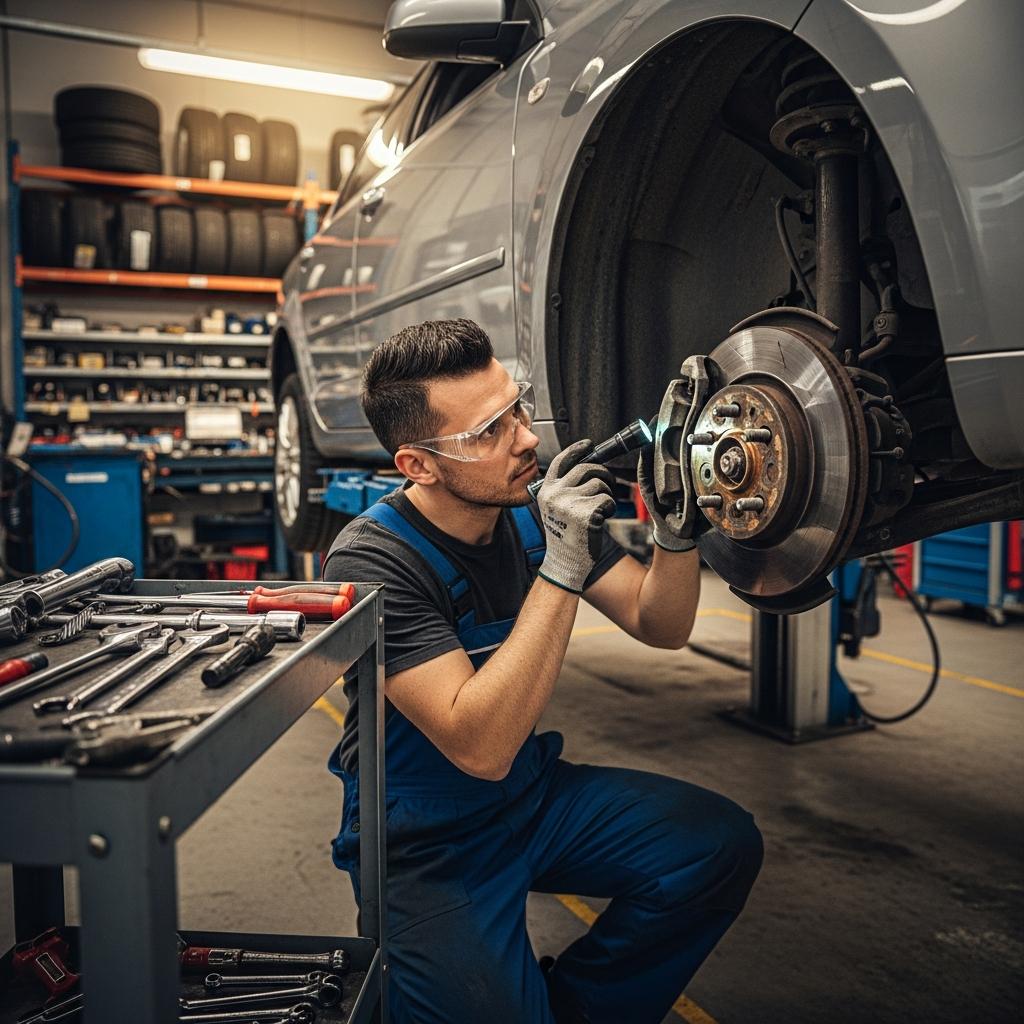
3. Inspect Your Brakes
Brakes are one of the most important safety features of any vehicle. If you notice unusual noises, vibrations, or a change in braking performance, have your brakes inspected by a qualified mechanic.
Regular brake inspections can help identify problems early and ensure your car remains safe to drive. Never ignore signs of brake trouble, as they can affect your safety and that of other road users.
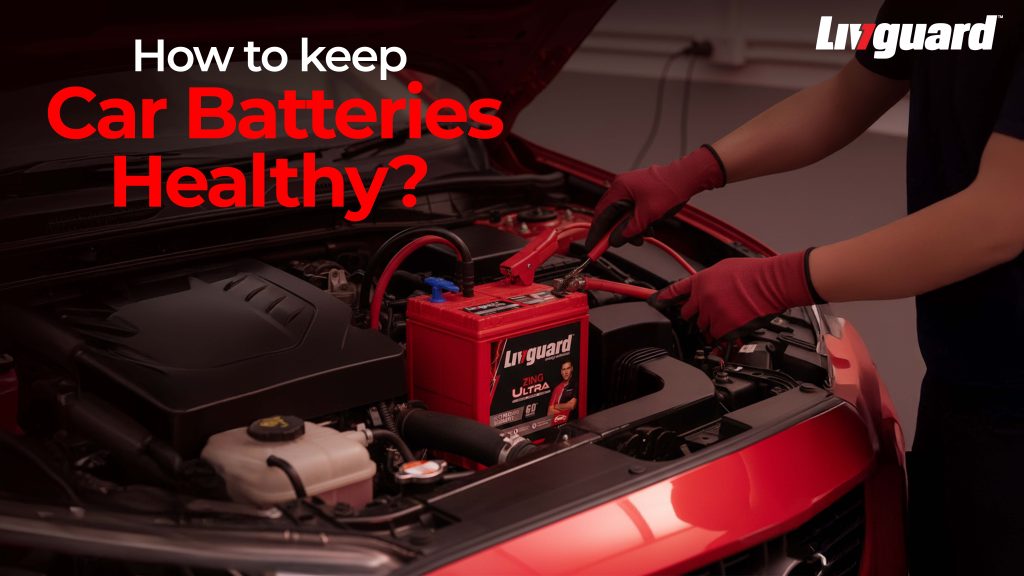
4. Keep Your Battery in Good Condition
A healthy battery helps your car start reliably and powers its electrical systems. Extreme temperatures, loose connections, and an ageing battery can cause starting problems.
Check your battery periodically for corrosion or loose connections. If your car frequently struggles to start, ask a professional to test the battery and charging system.
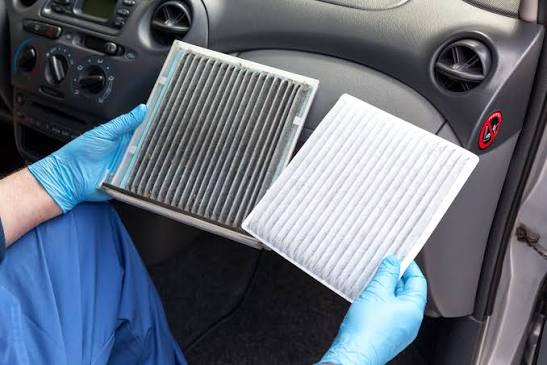
5. Replace Air Filters When Needed
Air filters prevent dust and dirt from entering your engine and help maintain clean air inside the cabin. Dirty filters can reduce airflow and affect vehicle performance.
Inspect the filters according to your car’s maintenance schedule and replace them when necessary. This simple step supports efficient operation and helps maintain a comfortable driving experience.
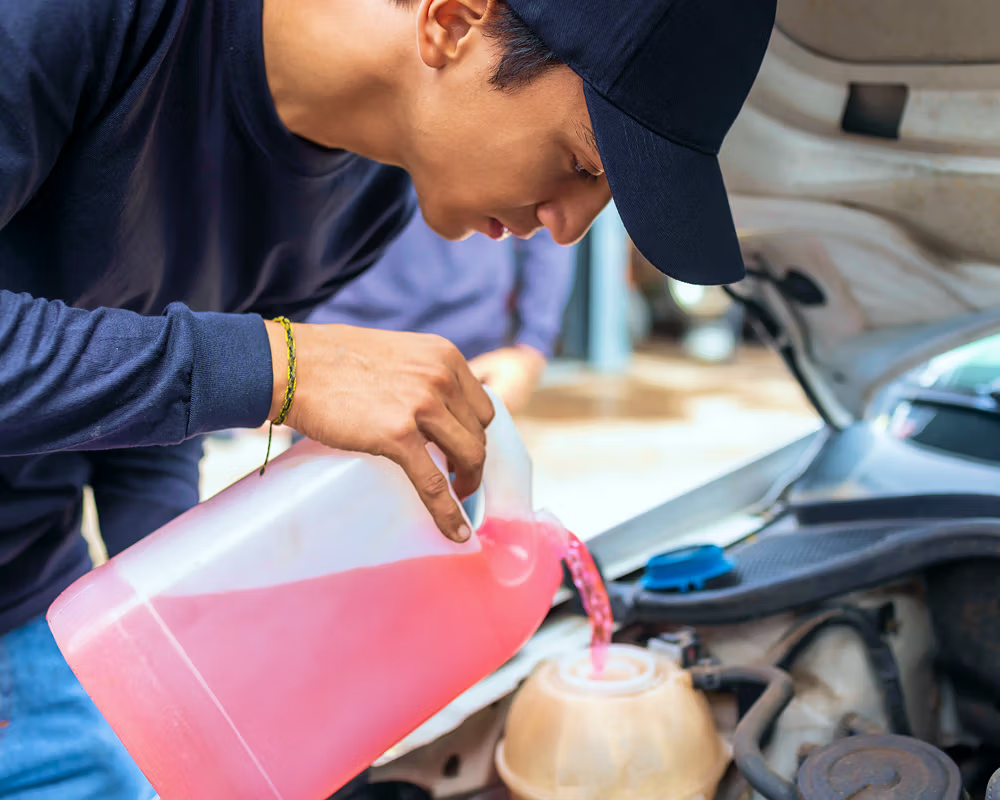
6. Check Coolant Levels
Coolant helps regulate engine temperature and prevents overheating. Low coolant levels or leaks can lead to serious engine problems.
Check coolant levels only when the engine is cool and follow the manufacturer’s instructions. Never open a hot cooling system, as pressurised coolant can cause serious burns. If you notice frequent coolant loss, consult a qualified mechanic.
7. Inspect Lights and Wipers
Headlights, brake lights, indicators, and windscreen wipers are essential for visibility and communication on the road.
Check that all lights work correctly and replace worn wiper blades when they leave streaks or fail to clear the windscreen properly. Good visibility is especially important during rain, fog, and night driving.
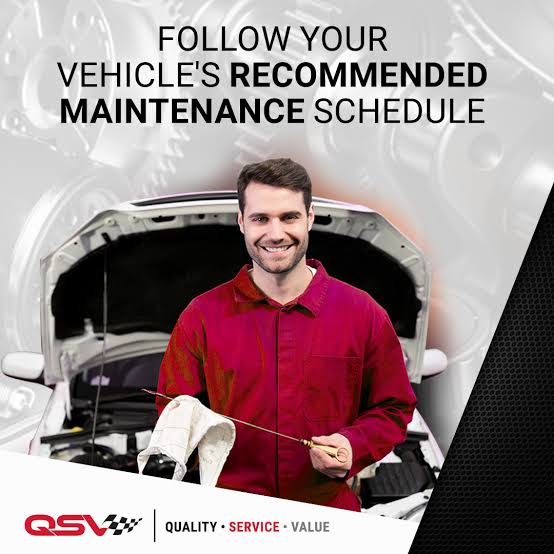
8. Follow the Manufacturer’s Service Schedule
Every car has a recommended maintenance schedule. It explains when to inspect or replace important components and when professional servicing is required.
Following this schedule helps identify potential problems early and keeps your vehicle in good working condition. Keep service records so you can track completed maintenance and plan future servicing.
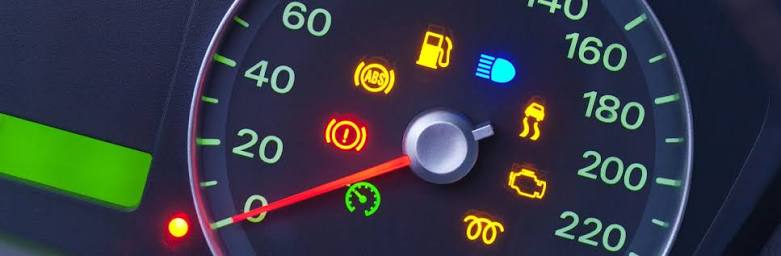
9. Pay Attention to Warning Lights
Dashboard warning lights provide important information about your vehicle. Never ignore a warning simply because the car still seems to be working normally.
Check your owner’s manual to understand what a warning means. If a red warning light indicates a serious problem, or the vehicle behaves unusually, stop safely and seek professional assistance.
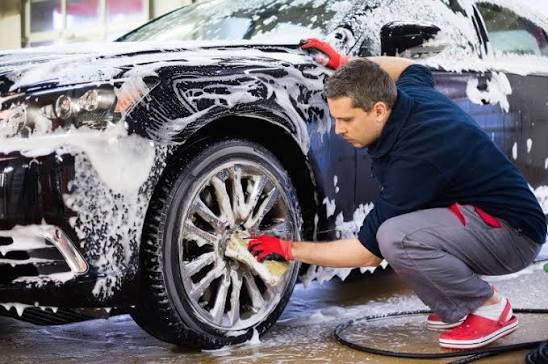
10. Keep Your Car Clean
Regular cleaning helps protect your car’s paintwork and interior from dust, dirt, and stains. Washing the exterior and cleaning the cabin can also make driving more comfortable.
Pay attention to areas where dirt and moisture collect, particularly after driving in muddy or rainy conditions. Use suitable cleaning products to protect the vehicle’s surfaces and keep the interior fresh.
Conclusion
Car maintenance does not have to be complicated. Simple habits, such as checking tyre pressure, monitoring engine oil, inspecting brakes, and following the service schedule, can make a meaningful difference.
Taking care of your vehicle helps support safer journeys, reliable performance, and fewer unexpected problems. Remember, regular maintenance is not just about keeping your car looking good; it is about keeping it dependable for the road ahead.